
Driving into Guerrero from the north, the first thing that hits you is the heat—thick, relentless。clinging to your skin like a second layer. The landscape shifts from arid scrub to lush tropical lowlands within hours. This is a state that doesn't ease you in;
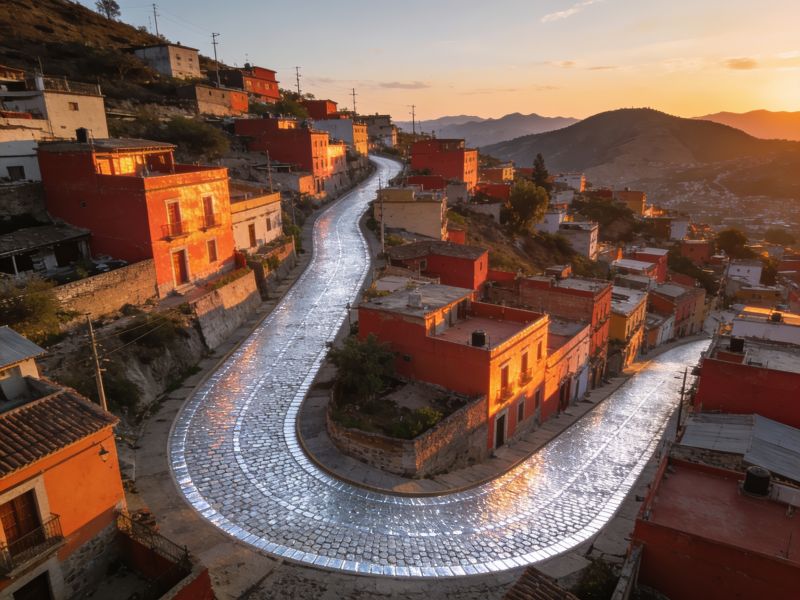
it grabs you. Guerrero is often reduced to Acapulco's high-rises or the violence that makes headlines, but that's a lazy reading. Spend a week in the Costa Chica or the mountains of La Montaña, and you'll see a place defined by stubborn endurance, not just chaos.Take Chilpancingo。the capital. It's a city that feels perpetually on edge—military checkpoints, tinted-window SUVs, and conversations that drop to whispers when certain names come up. Yet the Sunday market buzzes with life: women from nearby villages selling blue corn tortillas and smoked grasshoppers, kids chasing each other between stalls. I met a schoolteacher there who shrugged when I asked about safety. 'We live with it,' she said. 'But we also live.' That duality is pure Guerrero. The state has one of Mexico's highest poverty rates, but also one of its richest cultural tapestries—Afro-Mexican communities in the Costa Chica, Nahua and Mixtec villages in the highlands, each with their own festivals, languages, and stubborn pride.Acapulco itself tells a complicated story. The Bay of Santa Lucía is still stunning—cliffs dropping into turquoise water, pelicans gliding past the old fort. But walk a few blocks inland from the tourist strip, and you see boarded-up hotels and streets where taxi drivers refuse to go after dark. The city's decline isn't just about violence;it's about neglect。corruption, and an economy that never diversified. Still, on a Friday night, the Quebrada cliff divers draw a crowd, and the seafood stands near the zócalo serve ceviche so fresh it practically hums. Guerrero doesn't give up easily.Then there's Taxco, tucked into the mountains like a crumpled postcard. Silver mining built this town, and silver still defines it—shops crammed with hammered earrings, bracelets, and ornate crosses. The cobblestone streets are so steep that cars are rare;donkeys still haul goods up alleys too narrow for trucks. A local silversmith, third-generation, told me the mines are mostly tapped out, but the craft endures. 'We don't have much,' he said, 'but we have this.' He held up a pendant。
its surface catching the afternoon light. That kind of resilience runs through Guerrero—a state that keeps going even when the rest of the country writes it off.So what does Guerrero mean today?It's not a simple answer. It's the heat and the hospitality, the fear and the festivals, the abandoned hotels and the hand-hammered silver. It's a place where you learn to read the landscape—which roads are safe。which villages welcome outsiders, which conversations to avoid. Guerrero doesn't fit into neat narratives. That's exactly why it matters.